The Visible and the Hidden Craftsmanship
Behind Josef Frank’s cabinets lies a level of craftsmanship that is often more advanced than it first appears. As Production and Quality Manager at Svenskt Tenn, Johanna Asshoff works closely with the joineries that produce the furniture and follows the process in detail.
Part of the fascination, she explains, lies in what is not always visible at first glance.
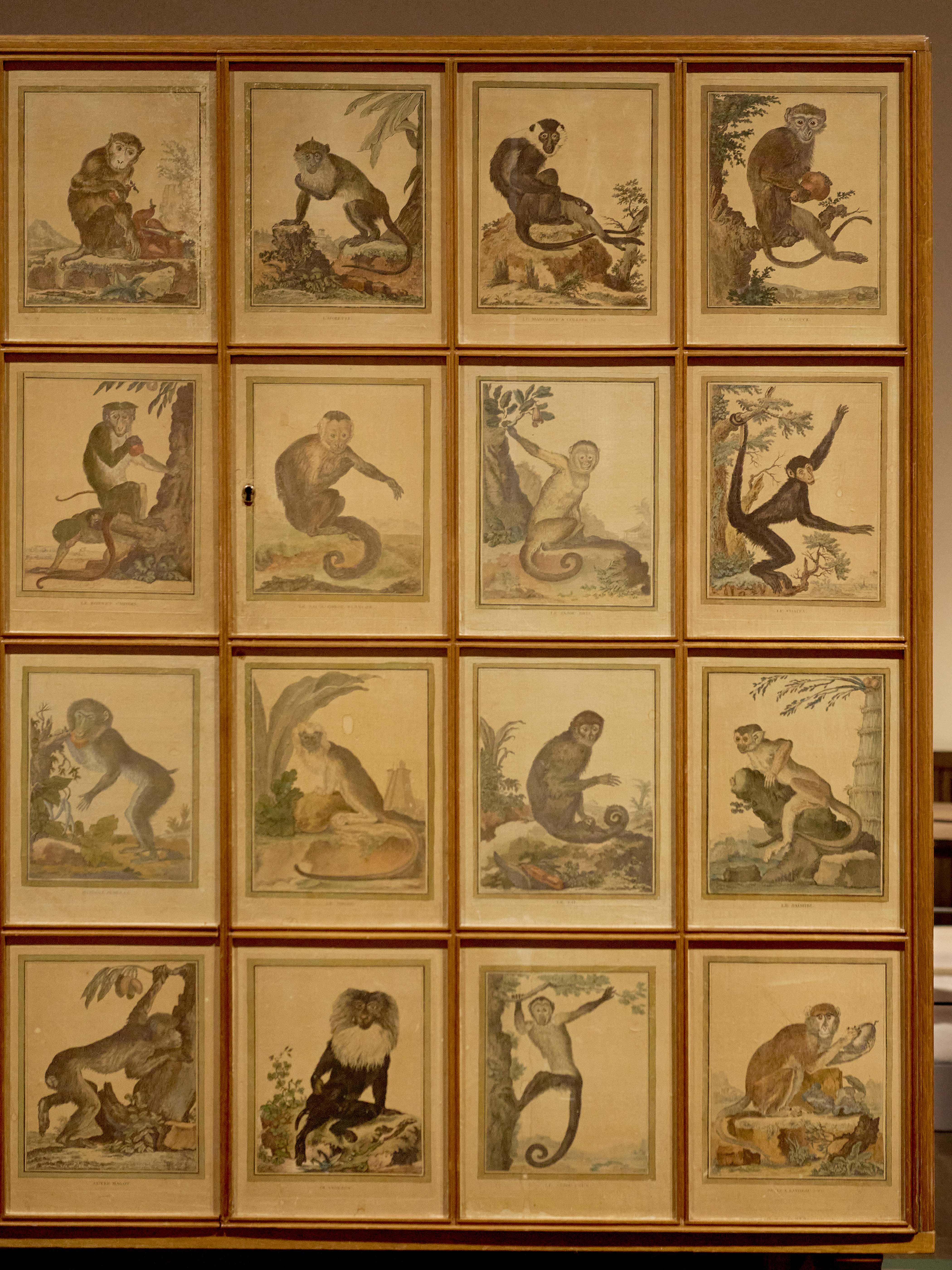
“In my role, I get to see how the cabinets are constructed on the inside and behind what the customer does not see. There are incredibly intricate solutions to almost everything.”
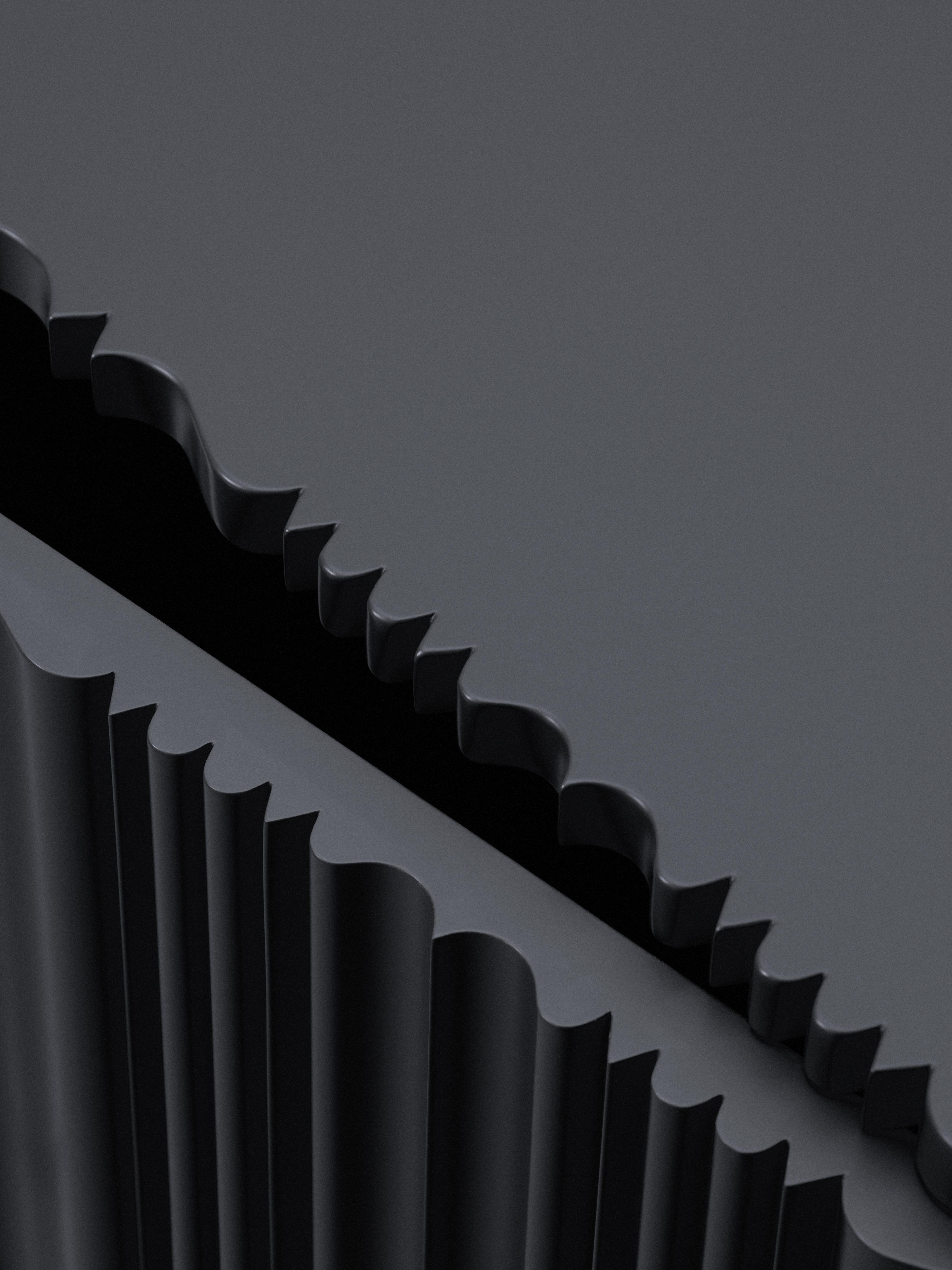
The construction of the furniture reflects a high level of craftsmanship. One example is Cabinet 2192, where the doors’ undulating fronts are formed from a series of milled strips.
For all parts to align precisely, each step requires great accuracy. The strips are milled to a specific profile and then assembled so that the wave continues across the entire surface, while each door still requires hand-finishing and adjustment.
Production takes place in small workshops across Sweden, where each piece is made without time pressure. Fine woodworker Anders Mattsson in Valdemarsvik, who is behind many of the cabinets, works with a small team and places great emphasis on precision in every step.
“Each piece Anders Mattsson makes is treated as a masterpiece,” says Johanna Asshoff.